Does Money Really Buy Happiness?

Every December, this question comes back like a familiar carol:
“If I just had more money, I’d be happier.”
It shows up quietly while you scroll through end-of-year highlights.
It shows up loudly when bills pile up.
It shows up especially at Christmas, when joy is advertised, but pressure is felt.
But let’s pause and ask the real question, not the Instagram version:
Does money actually buy happiness… or does it just rent relief for a while?
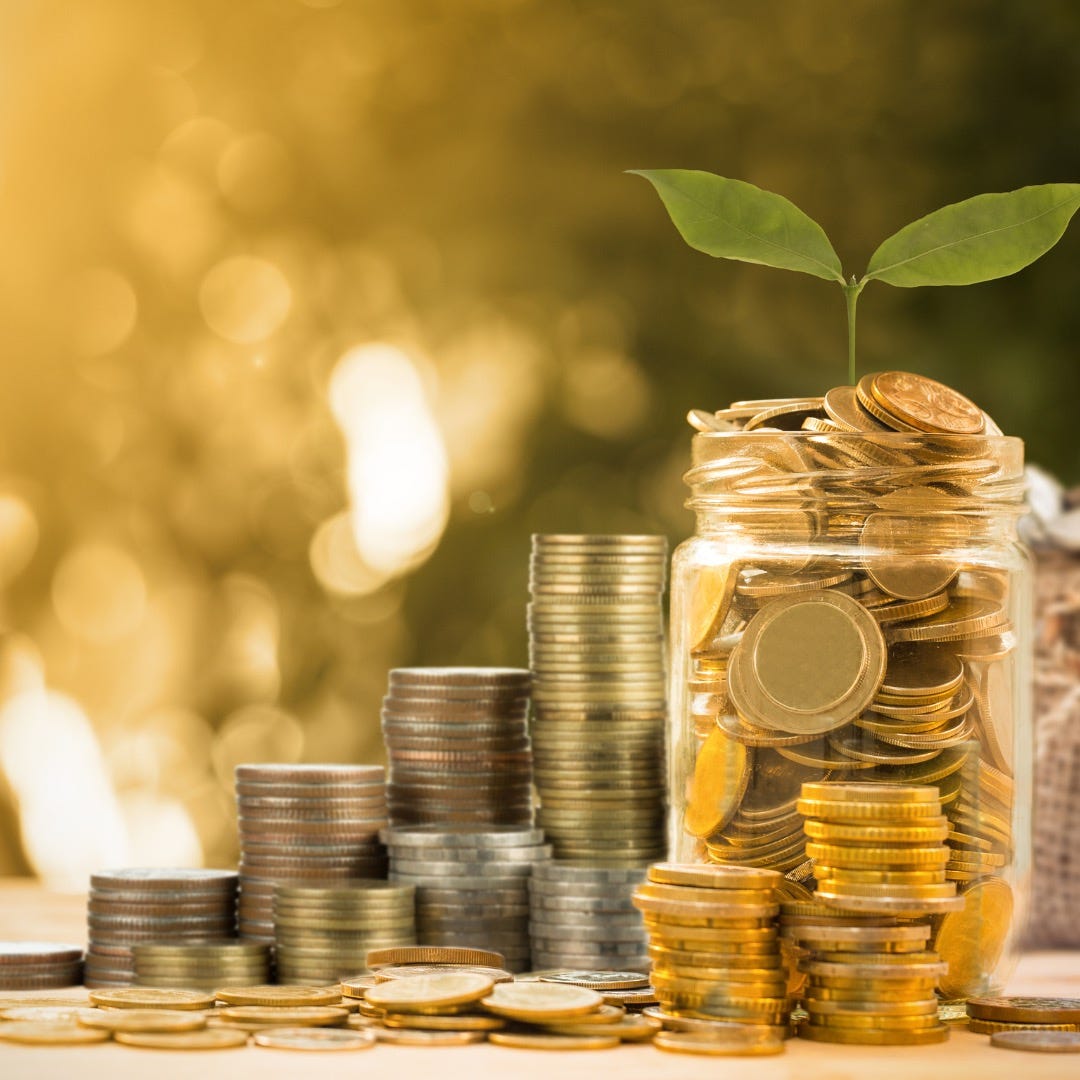
Why This Myth Exists in the First Place
The idea that money equals happiness didn’t appear out of nowhere.
It was built, carefully, consistently, and convincingly.
Money became associated with happiness because it solves immediate problems:
Hunger
Shelter
Safety
Access
Comfort
And when a problem disappears, the brain releases relief.
Relief feels good.
The brain confuses relief with happiness.
That’s how the myth started.
But relief is not the same thing as happiness.
Relief is the absence of pain.
Happiness is the presence of meaning.
How Happiness Actually Works (Not the Movie Version)
Happiness isn’t a destination.
It’s a system.
Psychologically, happiness is created by three main things:
1. Progress
The human brain loves movement.
Not money - movement.
When you’re growing, learning, improving, or building something meaningful, your brain releases dopamine. That’s real satisfaction.
2. Connection
No amount of money replaces belonging.
That’s why some of the richest people still feel lonely and some of the poorest still laugh deeply.
Happiness thrives in shared moments, not solo success.
3. Purpose
Happiness needs direction.
Without a reason to wake up, even luxury becomes boring.
This is why happiness fades when money arrives without meaning.

So Why Doesn’t Money Make It Permanent?
Because the brain adapts.
The excitement of “finally having” quickly becomes “this is normal now.”
What once thrilled you becomes baseline.
This is why:
Bigger salaries don’t cure emptiness
New phones don’t heal burnout
More money doesn’t automatically bring peace
Money is a tool, not a feeling.
It supports happiness, but it cannot produce it.
Why This Matters at the End of the Year
December forces reflection.
You look back at:
What you chased
What you lost
What you learned
What you’re still carrying
And quietly, the real questions surface:
Did I grow?
Did I connect?
Did I live with intention?
These are happiness questions, not money questions.
Christmas reminds us that joy often lives in the simple things:
Laughter.
Presence.
Learning.
Giving.
Hope.
A Gentle Christmas Truth
Money can buy gifts.
It can buy comfort.
It can buy convenience.
But happiness?
Happiness is built, quietly, daily, intentionally.
As the year ends, maybe the goal isn’t to earn more alone,
but to learn more, connect deeper, and understand better.
That’s the kind of wealth that doesn’t depreciate.
Final Thought
This Christmas, instead of asking:
“How much did I make?”
Try asking:
“How much did I grow?”
Because when growth leads, happiness follows.
Your Turn:
Do you think money buys happiness, or only peace of mind?
What gave you the most joy this year?
Let’s talk in the comments.