The Overhydration Myth: Why the 8-Glass Rule Isn’t the Truth You Think It Is

Let me start by asking you something personal and I want you to answer quietly in your mind:
Do you drink water because you’re actually thirsty…
or because you’re afraid something bad will happen if you don’t hit “8 glasses”?
If that question made you pause, then you’re exactly who this myth was designed for.
Because for years, we’ve been told one thing loudly, confidently, and repeatedly
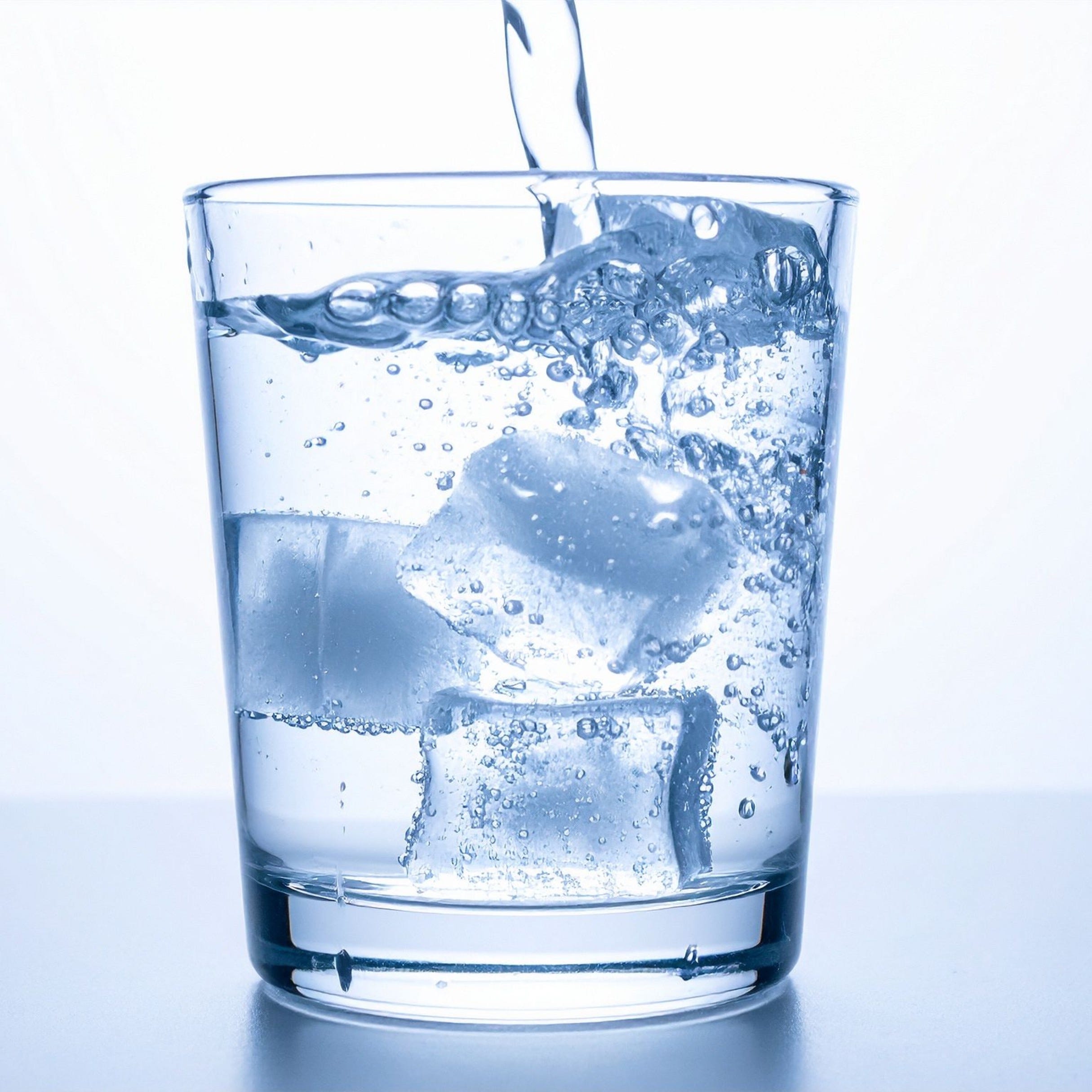
Myth: “Everyone must drink 8 glasses of water daily to stay healthy.”
It sounds scientific.
It feels responsible.
It even makes us feel guilty when we fall short.
But here’s the truth most people never hear:
The 8-glass rule wasn’t based on human physiology.
It was a misinterpreted guideline and the world accepted it as law.
Where This Myth Really Came From
In 1945, the U.S. Food and Nutrition Board recommended that adults should take in about 2.5 liters of water daily.
But here’s the part people skipped:
“…most of this water comes from food.”
Meaning vegetables, fruits, soups, grains, even the moisture in cooked meals all counted toward hydration.
But somewhere along the way, that second sentence vanished.
And the world was left with a clean, catchy, dangerously simplified rule:
“Drink 8 glasses.”
No context.
No personalization.
No science.
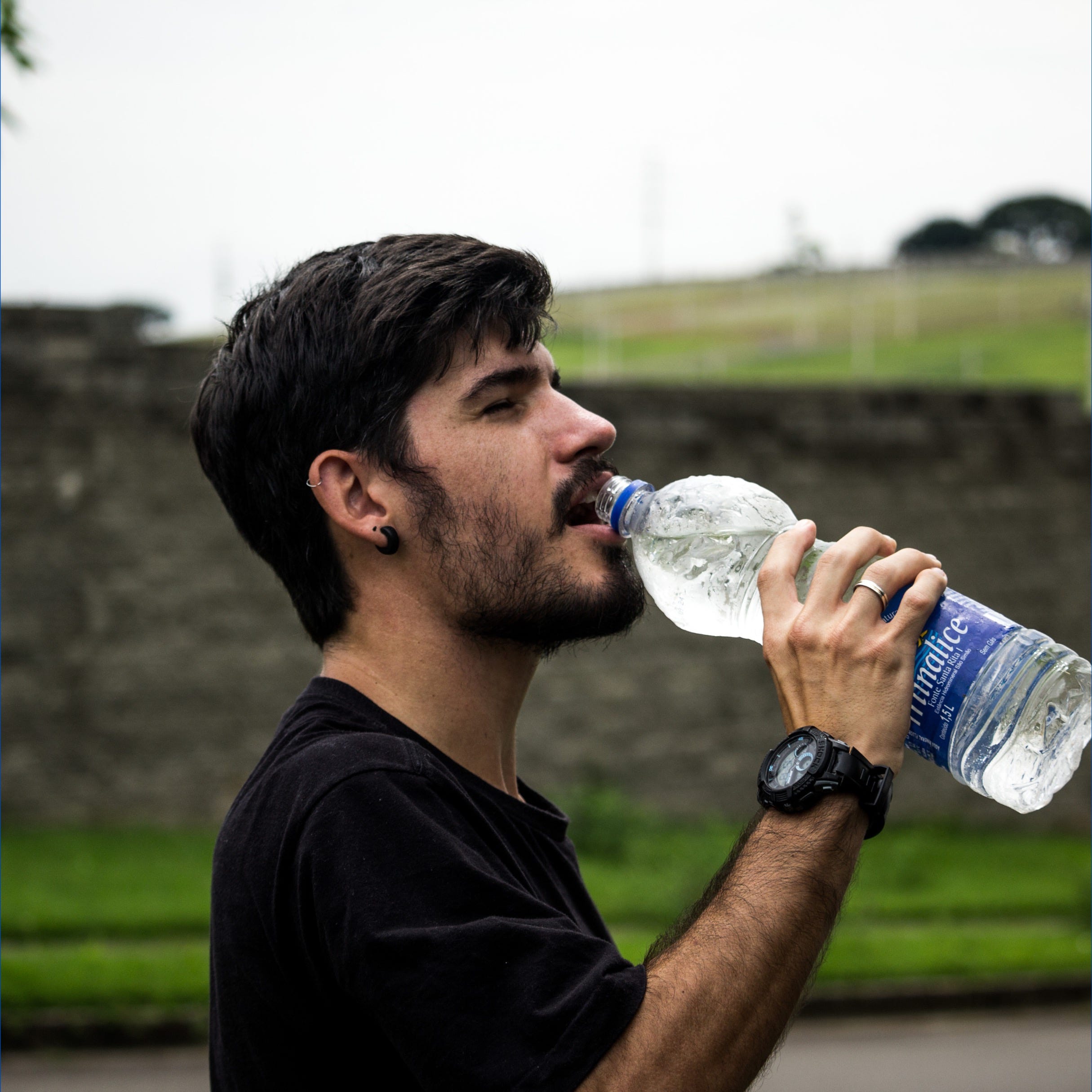
Why We Still Believe It
Because humans love certainty.
We love anything that feels like a formula for “good health.”
8 glasses = good
Less than 8 = bad
More than 8 = better
But the body doesn’t work that way.
Research published in The Journal of Physiology shows that your brain actually reduces your swallowing reflex when you’re no longer thirsty meaning your body literally tries to stop you from overhydrating.
In other words
your body already knows what you need.
But the myth taught us to ignore our own biological signals.
So What’s the Real Truth?
Hydration isn’t a number.
It’s a response.
According to Dr. Tamara Hew-Butler, a leading hydration researcher:
“Thirst is the most accurate indicator of when to drink.”
Not social pressure.
Not a viral wellness trend.
Not your water bottle reminding you to “refill.”
Here’s what matters more than counting glasses:
Are you thirsty?
Is your urine pale yellow?
Do you feel energized and mentally clear?
Are you sweating heavily due to heat or exercise?
That’s hydration.
Not mathematics.
The Hidden Danger: Overhydration
People rarely talk about this because it doesn’t sound cute on Instagram.
Drinking too much water can dilute your sodium levels, leading to hyponatremia, a condition that can cause:
• confusion
• headaches
• nausea
• muscle cramps
• in severe cases, seizures
This is not just rare athletes’ news, it's happening to everyday people who are afraid of “not drinking enough.”
You don’t need 8 glasses.
You need awareness.
You need to reconnect with the signals your body has been whispering since childhood:
Drink when you’re thirsty. Stop when you’re satisfied.
Now I’ll ask you again:
Are you drinking water for health or for fear?
If you want me to create the parents’ group chat version, a dramatic opener, or a set of hydration questions to educate students, just say yes.